


When you can't sleep
Lying awake at night can feel lonely. The world is quiet, but your mind isn’t. You might replay conversations, worry about things that haven’t happened, or feel your heart beating a little too fast in the dark. You may fall asleep only to wake again hours later, unsure why. Or you might sleep lightly, waking unrefreshed and frustrated.
If this is happening to you, you’re not alone. Many people struggle with sleep when life feels stressful or overwhelming. You are not doing anything wrong. Your body is responding to strain, and it can respond to gentler cues, too.
Understanding what’s going on and knowing there are small steps you can take in the moment can help your nights feel calmer again.
Why your mind becomes busy at night
During the day, your brain is distracted by movement, noise, and tasks, but when things finally become quiet, your mind has space to think. If you’ve been carrying stress or big feelings, they often rise to the surface at night.
Your mind is not trying to hurt you. It is trying to make sense of the day. It is trying to protect you by reviewing, analysing or preparing.
This is why night-time worry often feels stronger or more dramatic than it seems during the day.
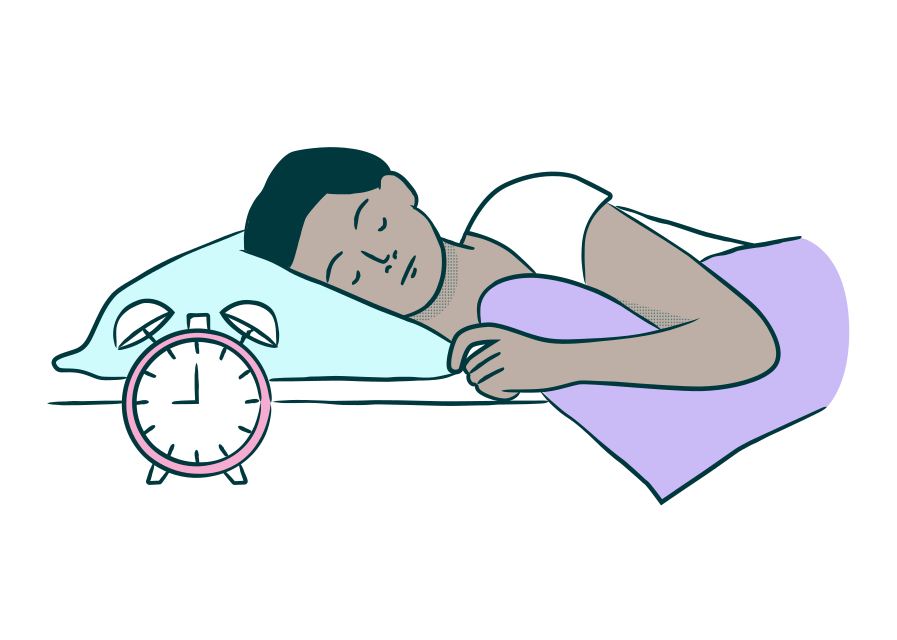
Why sleep becomes harder when you are stressed
When you’re under pressure, your body releases stress hormones that keep you alert. These hormones are helpful if you’re in danger, but unhelpful when you’re trying to rest.
They can:
- make your thoughts move quickly
- keep your muscles tense
- raise your heart rate
- make your breathing shallow
- reduce your ability to wind down.
Your body becomes ‘activated’ even when you want it to relax. None of this is your fault. It’s your body’s response to feeling stressed.
Common signs your sleep system is under strain
You might notice:
- difficulty falling asleep
- waking in the night with a busy mind
- early morning waking
- shallow or restless sleep
- feeling tired despite enough time in bed
- feeling tense in your body when lying down
- dread or frustration about bedtime.
These experiences are common when your mind is overwhelmed or your nervous system is activated.
Helping your body to settle
There are some things you can do to help ease your body and mind into rest.
If your mind worries at night
Night-time worry often follows a pattern. You can gently interrupt it by giving your worries a place to go during the day.
Try choosing a short 'worry time' earlier in the day; even 10 minutes will do. When worries come up at night, you can say to yourself: “I will think about this tomorrow during my worry time.”
This gives your mind permission to rest.
Reaching out for support
If sleep problems are affecting your mood, energy, concentration or ability to cope, it’s a good idea to reach out for support. You don’t need a diagnosis to ask for help.
You can speak with someone you trust, talk to your GP, call the Medicare Mental Health phone service or visit a Medicare Mental Health Centre.
If you are feeling suicidal, or are in danger, please call 000 or go to your nearest emergency department.

Want more personalised guidance?
Explore our free digital programs, based on a proven approach to help people experiencing low levels of anxiety, stress or general concerns about their mental wellbeing.
You can progress through our evidence-based digital programs either with support from a qualified mental health practitioner (practitioner-guided), or independently (self-guided).
You deserve rest
Struggling with sleep does not mean you are weak or failing. It means your mind has been working hard to manage everything you’ve been carrying. With kindness, support and small steps, your sleep can begin to settle again. You deserve rest, and there is help available if you need it.